Understanding Perforated AG Panels: Materials, Manufacturing, Applications, and Equipment
Perforated AG panels are increasingly used across Canada in a wide range of sectors—from agriculture and construction to ventilation and acoustic design. But what exactly is a perforated AG panel? How is it made, what materials are involved, and what type of machinery is required for its production? In this article, we explore the fundamentals of perforated AG panels and their growing importance in modern Canadian infrastructure and design.
What Is a Perforated AG Panel?

A perforated AG (agricultural) panel is a metal panel designed with a consistent pattern of holes or slots. These perforations allow for airflow, drainage, light transmission, and sound control—all while maintaining the panel’s structural strength. In agricultural and industrial environments, perforated AG panels are valued for their resilience, functionality, and versatility.
Common Materials Used in Perforated AG Panels
The materials selected for AG panel perforation are typically based on durability, environmental exposure, and regulatory requirements. The most commonly used materials include:
- Galvanized Steel – Highly resistant to corrosion and extremely durable, galvanized steel is well-suited for high-moisture and outdoor environments.
- Aluminium – Lightweight and naturally resistant to corrosion, aluminium panels are ideal for ventilation and aesthetic applications.
- Stainless Steel – A preferred option in food-grade and sanitary environments due to its hygienic surface and robust properties.
- Pre-Painted Steel – Offers both protective coating and visual appeal, making it suitable for architectural and decorative purposes.
The Perforation Process: How Perforated AG Panels Are Made

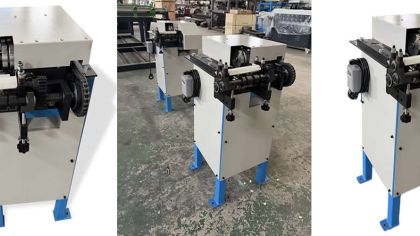
The perforation of AG panels involves a series of precise manufacturing steps, usually performed by an AG panel perforation machine. These machines use a punch-and-die system or rotary tooling to create consistent patterns in sheet metal. The process can be tailored to:
- Hole shape and size (round, square, slotted)
- Percentage of open area
- Sheet thickness and width
Modern AG panel perforators are often fully automated to support large-scale production with high efficiency and minimal material waste. Many advanced models also feature CNC control systems for flexible design options and superior accuracy.
Applications of Perforated AG Panels in Canada

Perforated AG panels are widely adopted across multiple Canadian industries due to their adaptability:
- Agriculture – Used in barn ventilation, grain drying systems, feed storage, and livestock enclosures.
- Construction – Applied in cladding, sunshades, ceiling tiles, and acoustic barriers.
- Industrial – Found in air filtration systems, soundproofing enclosures, and protective covers.
- Architectural Design – Employed in fencing, interior design elements, and custom decorative installations.
These panels not only deliver practical benefits but also contribute to energy efficiency and contemporary aesthetics.
Why Canadian Industries Choose Perforated AG Panels
The popularity of perforated AG panels in Canada continues to grow due to their numerous advantages:
- Effective Ventilation – Ideal for maintaining airflow in agricultural and industrial settings.
- Sound Absorption – Helps reduce noise in gyms, factories, and public buildings.
- Corrosion Resistance – Particularly when using galvanized or stainless steel materials.
- Environmental Sustainability – Often produced from recyclable metals, supporting eco-friendly building practices.
The Importance of AG Panel Perforation Equipment

Choosing the right perforation machine is essential for any Canadian business involved in sheet metal fabrication. A reliable AG panel perforator ensures:
- High production capacity
- Consistent quality
- Minimal downtime
- Long-term cost efficiency
Whether you're manufacturing barn panels in Alberta or building exteriors in Ontario, precision equipment is key to successful AG panel production.
For additional processing capabilities, Stan Roll Forming Machines also offers the Industrial Gang Metal Slitter, which complements the perforation line by delivering clean, accurate slits across various metal types.
Conclusion
From material selection to advanced manufacturing technology, the production of perforated AG panels is a sophisticated process that supports a broad range of Canadian industries. With their strength, adaptability, and sustainability, these panels continue to play a vital role in the future of agriculture, construction, and industrial design. Whether you’re sourcing perforated materials or investing in specialized equipment, understanding the potential of perforated AG panels is essential to staying competitive in today’s market.