Understanding HVAC: Technology, Types, and Equipment for Modern Comfort
- What Does HVAC Stand For?
- How Does an HVAC System Work?
- Heating
- Cooling
- Ventilation
- Key Components of an HVAC System
- Types of HVAC Systems
- 1. Central Air Systems
- 2. Heat Pumps
- 3. Furnaces
- 4. Boilers
- 5. Ductless Mini-Splits
- 6. Industrial HVAC Machines
- Affordable, Custom, and Industrial HVAC Equipment for Sale
- Explore our most popular HVAC-related machinery:
- HVAC Equipment for Sale in Canada
- Why Choose Stan Roll Forming Machines Inc. Canada?
- HVAC Energy Efficiency and Cost Considerations: A Smart Guide for Homeowners
- What Is SEER and Why Does It Matter?
- Practical Tips to Boost HVAC Energy Efficiency
- HVAC Installation: Professional or DIY?
- Why Professional HVAC Installation Is Worth It
- Regular Maintenance: A Small Effort, Big Reward
- Simple Tasks You Can Do:
- When to Call a Professional
- Common HVAC Problems and How to Troubleshoot Them
- 1️⃣ Unusual Noises Coming from Your HVAC System
- 2️⃣ Uneven or Inconsistent Temperatures
- 3️⃣ Poor Indoor Air Quality
- The Future of HVAC Technology
- ✅ Smart HVAC Systems
- ✅ Eco-Friendly HVAC Innovations
- Final Thoughts
Heating, Ventilation, and Air Conditioning (HVAC) systems have become essential in residential, commercial, and industrial settings. Whether you're outfitting a new building or upgrading an existing one, choosing the right HVAC machine is critical to achieving optimal comfort and energy efficiency.
What Does HVAC Stand For?
HVAC stands for:
-
Heating – Systems such as furnaces, boilers, and heat pumps that generate and distribute warmth.
-
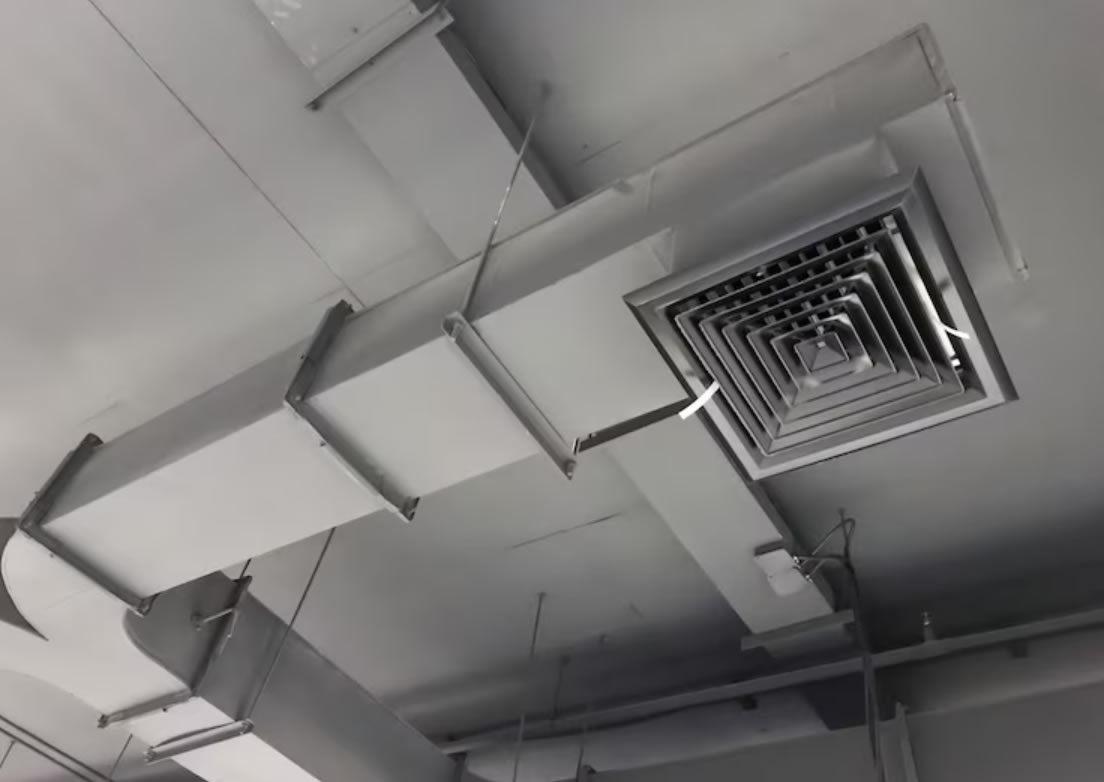
Ventilation – Mechanisms like ductwork, vents, and air exchangers that ensure airflow and indoor air quality.
-
Air Conditioning – Systems that cool the air and remove excess humidity, including central AC units, ductless mini-splits, and portable units.
Modern systems increasingly integrate advanced HVAC technology to improve performance and efficiency while lowering operational costs.
How Does an HVAC System Work?
Heating
When a space needs to be warmed:
-
The thermostat detects a drop in temperature.
-
A furnace, heat pump, or boiler activates.
-
Warm air or heated water is distributed throughout the space via ducts, radiators, or vents.
Cooling
During the cooling cycle:
-
Warm indoor air is drawn in and passed over an evaporator coil.
-
A refrigerant absorbs heat and transfers it outdoors via the condenser.
-
Cool air is circulated back inside.
Ventilation
Ventilation ensures healthy air quality:
-
Mechanical fans pull in fresh air and expel stale air.
-
Filters trap dust and allergens.
-
Humidity is balanced through airflow control.
Proper ventilation is crucial for both residential and commercial HVAC equipment systems.
Key Components of an HVAC System
Each HVAC system typically includes:
-
Thermostat
-
Furnace or air handler
-
Evaporator coil and condenser
-
Ductwork
-
Air filters
Some high-performance HVAC equipment also features smart sensors, Wi-Fi control, and zoning systems for more tailored comfort.
Types of HVAC Systems
Choosing the right HVAC configuration depends on your space, climate, and budget. Here's a breakdown:
1. Central Air Systems
Perfect for large spaces. These HVAC system machines use ductwork to distribute air evenly and efficiently.
2. Heat Pumps
Energy-efficient and eco-friendly, they provide both heating and cooling. Ideal for moderate climates.
3. Furnaces
Popular in colder regions, furnaces are affordable and robust, offering fast and effective heating.
4. Boilers
Deliver radiant heating using hot water or steam. They're quiet, efficient, and suitable for high-end or historic buildings.
5. Ductless Mini-Splits
A great solution for homes without ducts or when you need zone-specific temperature control. Easy to install and highly efficient.
6. Industrial HVAC Machines
Heavy-duty solutions designed for factories, warehouses, and other industrial environments. Built to run reliably under intense use.
Affordable, Custom, and Industrial HVAC Equipment for Sale
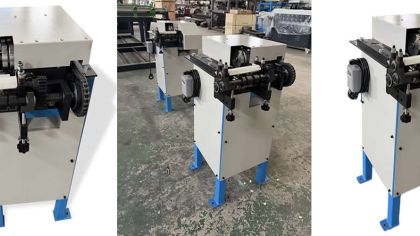
At Stan Roll Forming Machines Inc., we supply HVAC machinery for sale that powers the production of ventilation systems, duct components, and more. Whether you're building custom HVAC equipment for a specific application or seeking affordable HVAC equipment that doesn't compromise on quality, we’ve got you covered.
Explore our most popular HVAC-related machinery:
-
Duct Forming Machines – Shape sheet metal into precise ductwork components.
-
Flange Forming Machines – Add reinforced edges for industrial HVAC assemblies.
-
Pittsburgh Lock Machines – Secure duct seams with industry-standard locks.
-
Roll Forming Lines – For fast, accurate profiles in metal HVAC parts.
-
Cut-to-Length Lines – Ideal for pre-processing HVAC sheet metal.
-
Notching and Punching Machines – Customize ducts with openings and slots.
These machines help manufacturers produce everything from commercial HVAC equipment to high-performance HVAC equipment tailored to building needs.
HVAC Equipment for Sale in Canada
If you're looking for HVAC equipment for sale in Canada, our team is here to help you find the right solution. Whether it's a compact HVAC machine for sale or a full-scale industrial HVAC machine, we supply reliable, high-tech solutions backed by expert service.
Why Choose Stan Roll Forming Machines Inc. Canada?
-
High-precision, European-engineered equipment
-
Custom solutions for unique HVAC production needs
-
Reliable local support and training
-
Competitive pricing on affordable HVAC equipment
Ready to upgrade your operations? Browse our complete selection of HVAC machinery for sale at stangroup.ca or contact our team for a free consultation.
HVAC Energy Efficiency and Cost Considerations: A Smart Guide for Homeowners
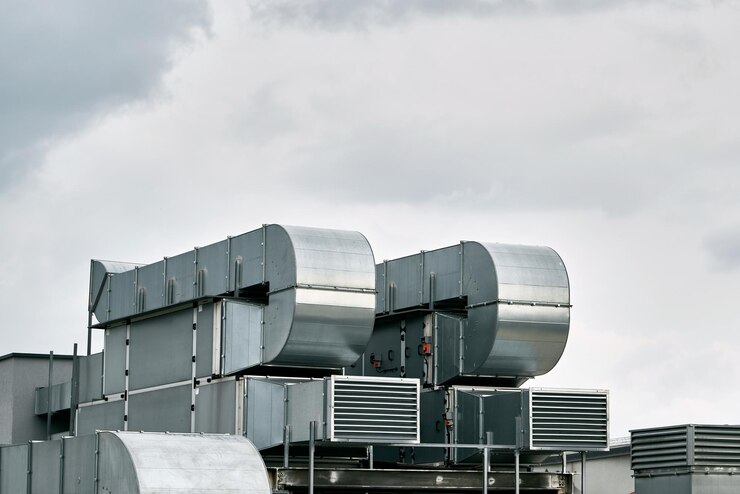
Choosing the right HVAC system isn't just about staying comfortable — it's about maximizing energy efficiency, reducing environmental impact, and saving money in the long run. Whether you're upgrading your system or trying to improve the one you already have, understanding how efficiency affects performance and cost is key.
What Is SEER and Why Does It Matter?
The Seasonal Energy Efficiency Ratio (SEER) is the standard measure of how efficiently an air conditioner or heat pump cools your home over a season. The higher the SEER rating, the more energy-efficient the system.
-
✅ U.S. Department of Energy (DOE) sets minimum SEER standards, currently ranging from 13 to 14, depending on the region.
-
✅ High-efficiency HVAC systems can reach SEER ratings of 20 or more.
-
✅ Although these systems cost more upfront, they can significantly lower your monthly energy bills and reduce your carbon footprint.
Choosing a unit with a high SEER is a long-term investment in energy savings and cost efficiency.
Practical Tips to Boost HVAC Energy Efficiency
Improving your system's efficiency doesn't always require a full replacement. Here are simple, cost-saving HVAC tips that make a real difference:
-
🔁 Change or clean air filters every 1 to 3 months to ensure smooth airflow.
-
🧰 Seal and insulate ductwork to eliminate leaks and maintain even temperatures.
-
🕒 Install a programmable or smart thermostat to reduce unnecessary energy use.
-
🌿 Clear debris around outdoor units to improve air intake and system performance.
-
🛠️ Schedule annual HVAC maintenance with a licensed technician.
These steps can lead to lower energy consumption, longer system life, and more consistent indoor comfort.
HVAC Installation: Professional or DIY?

When it comes to HVAC system installation, quality matters — a lot. Poorly installed systems can lead to inefficiency, frequent breakdowns, and higher costs over time.
Why Professional HVAC Installation Is Worth It
-
🧑🔧 Certified technicians ensure correct sizing, system placement, and code compliance.
-
🔍 Professionals identify potential issues that can impact long-term performance.
-
✅ Proper setup ensures the system runs at peak energy efficiency from day one.
While some homeowners may attempt basic HVAC upgrades, full system installation should always be left to licensed professionals.
Regular Maintenance: A Small Effort, Big Reward
Routine care is one of the most effective ways to ensure your HVAC system remains efficient and cost-effective:
Simple Tasks You Can Do:
-
🧼 Replace air filters regularly to maintain airflow and air quality.
-
🧹 Vacuum vents and registers to prevent dust buildup.
-
🌳 Keep outdoor units clean and clear of vegetation or debris.
-
🔋 Check thermostat batteries yearly to avoid false readings.
These DIY steps can prevent many common problems and contribute to reducing HVAC operational costs.
When to Call a Professional
Even with regular upkeep, some HVAC issues require expert attention. Call a professional if you notice:
-
📉 A sudden spike in utility bills (could signal reduced system efficiency)
-
🌀 Uneven heating or cooling across rooms
-
🧪 Strange odors or unusual noises from your unit
-
💧 Signs of refrigerant leaks or moisture buildup
-
🔧 It's time for an annual system inspection or tune-up
Regular professional maintenance not only improves HVAC energy performance, but also helps avoid expensive repairs or early system replacement.
In Summary: Investing in a high-efficiency HVAC system and maintaining it properly pays off in lower energy costs, fewer repairs, and a more comfortable living space. Whether you're buying new equipment or optimizing your current setup, focusing on energy-saving heating and cooling strategies is a smart move — both financially and environmentally.
Common HVAC Problems and How to Troubleshoot Them

Even the most advanced and well-maintained HVAC systems can experience issues over time. Understanding frequent problems and knowing how to respond can help you avoid costly repairs, improve indoor comfort, and keep your system running efficiently.
1️⃣ Unusual Noises Coming from Your HVAC System
Strange or loud sounds are often early warning signs of mechanical problems. Here’s what they might mean:
-
Rattling or banging – could indicate loose screws, bolts, or other internal components.
-
Squealing or screeching – often linked to worn-out or misaligned fan belts.
-
Clicking sounds when turning the system on or off – may point to relay or electrical issues.
If the noise doesn’t stop after basic troubleshooting, it’s best to call a professional HVAC technician to prevent further damage.
2️⃣ Uneven or Inconsistent Temperatures
One of the most common HVAC issues homeowners face is temperature imbalance between rooms. This problem may be caused by:
-
Clogged or dirty air filters that block proper airflow.
-
Leaky ductwork, allowing heated or cooled air to escape.
-
Incorrectly sized HVAC units that can’t handle the space efficiently.
-
Thermostat malfunctions that send wrong signals to the system.
Scheduling a professional HVAC inspection can help identify the root cause and ensure even temperatures throughout your home.
3️⃣ Poor Indoor Air Quality
If you notice more dust, rising humidity levels, or frequent allergy symptoms, your HVAC system could be contributing to poor air quality. Typical causes include:
-
Old or clogged filters that let harmful particles circulate.
-
Mold or bacterial growth inside ductwork or the unit.
-
Poor ventilation, leading to stale or stuffy indoor air.
Replacing filters regularly, cleaning ducts, and ensuring proper ventilation can significantly improve your home’s air quality.
The Future of HVAC Technology

Modern HVAC technology is evolving rapidly, offering smarter, greener, and more energy-efficient solutions for homeowners.
✅ Smart HVAC Systems
Today’s smart HVAC systems integrate with home automation and include features such as:
-
Remote control via smartphone apps to adjust temperature from anywhere.
-
Learning algorithms that adapt to your comfort preferences.
-
Weather-based operation, optimizing heating or cooling automatically.
-
Energy reports and efficiency tips for better system performance.
These upgrades allow for precise temperature management, lower utility bills, and enhanced comfort.
✅ Eco-Friendly HVAC Innovations
The HVAC industry is moving towards sustainable technologies that reduce environmental impact:
-
Geothermal heat pumps, using the earth’s natural temperature for heating and cooling.
-
Solar-powered HVAC systems, minimizing reliance on electricity.
-
Environmentally friendly refrigerants, replacing harmful chemicals.
-
Variable Refrigerant Flow (VRF) systems, increasing energy efficiency for larger buildings.
advanced hvac technology, affordable hvac equipment, commercial hvac equipment, custom hvac equipment, hvac equipment for sale, hvac machine, hvac machine for sale, hvac machinery for sale, hvac system machine, industrial hvac machine, high-performance hvac equipment
These innovations promise not only better comfort but also a greener, more sustainable future.
Final Thoughts
An HVAC system is essential for maintaining proper airflow, comfortable temperatures, and healthy indoor air. Key components such as air conditioners, furnaces, heat pumps, boilers, and ductwork require regular inspection, cleaning, and servicing.
When choosing an HVAC contractor, check reviews on the Better Business Bureau (BBB) website and compare at least three professional quotes before making a decision. Preventive maintenance and timely troubleshooting can save you from unexpected breakdowns and expensive repairs.