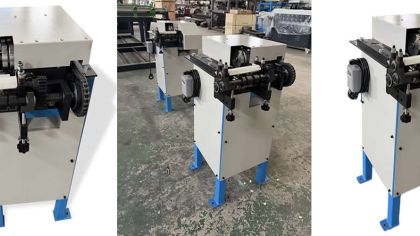
Spiral tube forming machines-most popular types
- Spiral Tube Forming Machines: Most Popular Types
- Introduction
- Common Applications of Spiral Tube Forming Machines
- Spiral Tube Formers for HVAC and Pipe Insulation
- Components of Spiral Tube Forming Machines
- Decoiler
- Roll Forming Section
- Molds
- Cutting Mechanism
- Choosing the Right Spiral Tube Forming Machine
- Conclusion
Spiral Tube Forming Machines: Most Popular Types
Introduction
Spiral tube forming machines are essential in various industries, including steel cable tray manufacturing, HVAC systems, flexible aluminum pipe production, pipe insulation, and downspout systems. This article explores the most popular types of spiral tube forming machines and their applications, highlighting key features and considerations.

Common Applications of Spiral Tube Forming Machines
-
Cable Trays
-
Flexible Aluminum Pipes
-
Aluminum Flexible Pipes with Armored Wire
-
HVAC Systems
-
Large Welding Spiral Pipes
Spiral Tube Formers for HVAC and Pipe Insulation
For air conditioning and pipe insulation, spiral tube forming machines typically produce tubes with diameters ranging from 30 inches to 5 feet (80 to 1500 mm). These machines work with metal strips that are 5.4 inches wide and 0.016–0.08 inches thick (0.4 to 2 mm / 137 mm).
The process involves creating a lock on the strip edges using roll forming, shaping the strip into a circular mold (flexible or fixed), and sealing it by applying pressure to align and lock the strip’s edges. Common materials include galvanized steel, stainless steel, aluminum, or copper, typically supplied in coils weighing up to 1500 lbs. These coils are cut into the required widths using slitting machines before being processed.
Components of Spiral Tube Forming Machines
Decoiler
The decoiler is the first step in the production process. It holds and feeds the metal strip into the forming machine. There are different types of decoilers, each suited for specific production needs:
-
Simple Decoilers: Portable with wheels, easy to move.
-
Integrated Decoilers: Fixed on the same frame as the roll-forming part, ensuring alignment.
-
Servo-Driven Decoilers: Offer precise automated positioning for enhanced stability.
Proper alignment between the decoiler and roll-forming part is critical for stable operation.
Roll Forming Section
The roll-forming section is a vital component where the strip edges are shaped. While some consider this part complex, it can function effectively with varying numbers of stations:
-
Basic Design: Two stations (four rollers) can produce functional locks.
-
Advanced Design: Up to six stations (12 rollers) ensure high-speed production with stable results.
-
Optimal Configuration: Four stations (eight rollers) strike a balance between complexity and efficiency, supporting speeds up to 40 yards per minute.
Molds
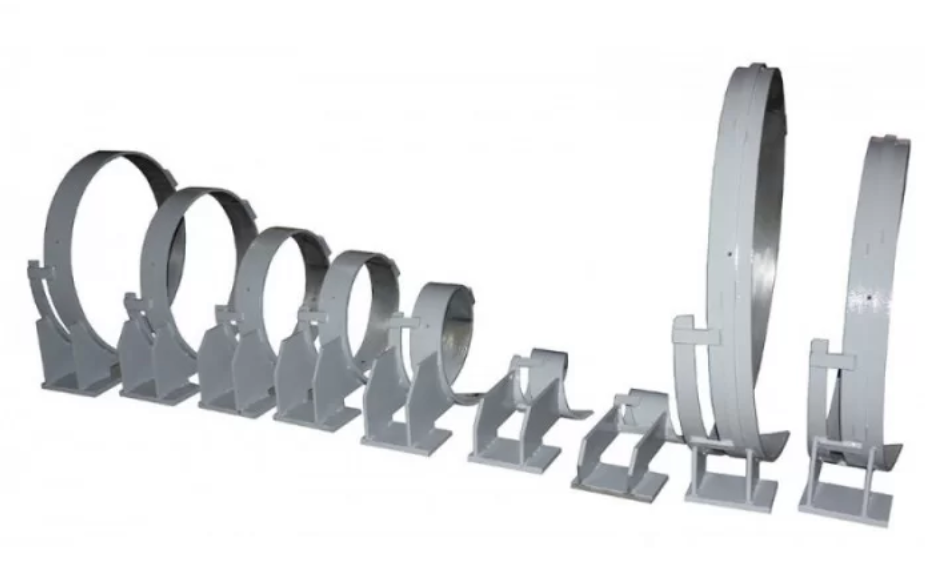
Molds are critical for shaping the spiral tubes and come in two main types:
-
Flexible (Steel Belt) Molds:
-
Made from spring steel (8-inch width, less than 1-inch thickness).
-
Suitable for variable diameters but require adjustments for each size.
-
-
Fixed (Cast) Molds:
-
Made from silumin alloy with precision milling and copper-lined surfaces.
-
Durable but specific to one diameter, requiring separate molds for each size.
-
Both mold types have their advantages, with the choice depending on production flexibility and budget.
Cutting Mechanism
Spiral tube forming machines use two main cutting methods:
-
Saw Cutters: Reliable but noisy and less precise.
-
Slitting Rollers:
-
Silent operation with clear and straight edges.
-
Long-lasting with proper maintenance but require careful adjustment to prevent damage.
-
Choosing the Right Spiral Tube Forming Machine
When selecting a spiral tube forming machine, consider the following factors:
-
Production Volume: Ensure the machine’s capacity meets your production requirements.
-
Material Compatibility: Verify the machine supports the required materials, including thickness and type.
-
Automation Level: Look for features like automated feeding, cutting, and mold adjustments.
-
Precision and Quality: Assess the machine’s ability to produce consistent and high-quality results.
-
Maintenance and Support: Opt for machines with accessible technical support and spare parts availability.
Conclusion
Spiral tube forming machines are versatile and essential tools in modern manufacturing. By understanding their components, applications, and types, businesses can select the best machine to optimize their production processes and achieve superior results.