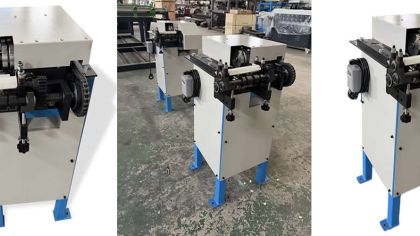
Rollforming machines: how they work, what types are available, and their uses.
Rollforming Machines: How They Work, What Types Are Available, and Their Uses
Rollforming machines are essential tools in the metalworking industry, especially for producing roof panels. This article explains how these machines work, explores the different types available, and highlights their applications in various industries.
How Do Rollforming Machines Work?

Rollforming machines operate through a systematic process to transform raw materials into precise, customized profiles. Here are the four key steps involved in producing roof panels:
Step 1: Material Feeding The process begins by feeding the raw material into the machine from an arbor. This material can vary based on the desired output, such as steel or aluminum sheets.
Step 2: Drive Rollers The entrance drive rollers pull the material steadily into the machine, ensuring consistent feeding and alignment for further processing.
Step 3: Forming Rollers The material passes through a series of forming rollers. Each station slightly bends or forms the material until the desired profile is achieved. The profile depends on the specific configuration purchased with the machine.
Step 4: Cutting to Length Once the panel reaches the required length, it is cut automatically. This process is controlled by either a limit switch or a programmable logic controller (PLC), depending on the machine's options.
What Makes a Roof Panel Machine Portable?
Portability is a key feature of many rollforming machines, especially roof panel machines. Here are some factors that contribute to their portability:
-
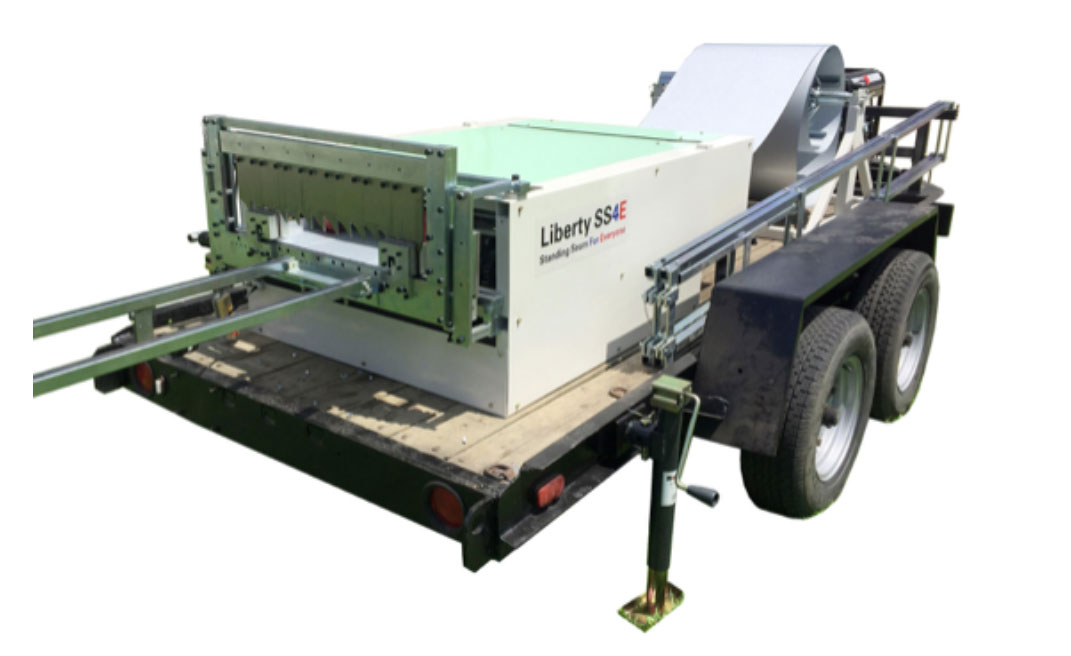
Trailer Installation: Roof panel machines can be mounted on trailers, making them easy to transport to job sites. This setup allows contractors to produce panels directly on-site, ensuring efficiency and minimizing transportation costs.
-
Flexibility in Usage: By having the machine on-site, you can install roof panels continuously without delays. Additionally, you can produce panels for other contractors, generating additional revenue from your investment.
Types of Rollforming Machines
Rollforming machines come in various configurations to suit different industrial needs. Some common types include:
-
Roof Panel Rollformers: Specialized for creating roof panels with various profiles, such as standing seam or corrugated panels.
-
C/Z Purlin Rollformers: Used for manufacturing structural components like purlins and girts.
-
Tube and Pipe Rollformers: Designed for producing pipes and hollow sections.
-
Custom Profile Rollformers: Built for creating unique profiles tailored to specific applications.
Applications of Rollforming Machines
Rollforming machines are widely used across multiple industries:
-
Construction: For roofing, wall panels, and structural components.
-
Automotive: To produce components like bumpers and door frames.
-
Aerospace: For lightweight yet durable profiles.
-
Furniture: To create frames and supports.
Conclusion
Rollforming machines are invaluable in modern manufacturing due to their precision, efficiency, and versatility. Understanding how they work, their portability, and the different types available helps you make informed decisions when selecting a machine for your needs. Whether you're in construction or another industry, rollforming machines can streamline production and enhance your output quality.
Rollforming machines Canada, roof panel rollformers, portable rollforming machines, rollforming machine types, how rollforming machines work, roof panel production equipment, C/Z purlin rollformers Canada, custom profile rollformers, metal forming machines Canada, rollforming machine uses, industrial rollforming machines, construction rollforming tools, portable roof panel machines, rollforming equipment suppliers Canada, automated rollforming machines, roof panel manufacturing process, trailer-mounted rollforming machines, metalworking machinery Canada, rollforming for construction industry, best rollforming machines Canada.