Standing Seam vs Snap Lock Panels: Which is Better?
In the world of architectural metal roofing, two systems consistently stand out for their performance, aesthetics, and reliability: standing seam and snap lock panels. Whether you're a contractor, architect, or building owner, understanding the differences between these two panel types is crucial for choosing the right solution for your project.
At Stan Roll Forming Machines Inc., we specialize in portable rollforming solutions that allow you to produce both standing seam and snap lock panels on-site, with maximum precision and flexibility. But which system is right for your application?

Let’s dive into the details of standing seam and snap lock panels, explore how they’re made, and compare their benefits, challenges, and ideal use cases.
What Are Standing Seam Panels?
Standing seam panels are a type of concealed-fastener metal roofing system characterized by vertical ribs that rise above the flat of the panel. These seams are mechanically seamed or snapped together to form a weather-tight, continuous connection.
Key Features:
-
Mechanically fastened (with or without a seamer)
-
Highly durable and weather-resistant
-
Suitable for low-slope roofs
-
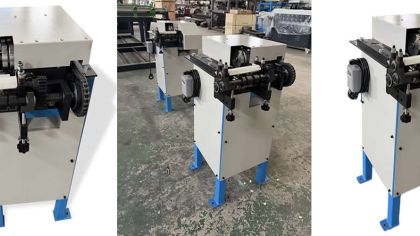
Made with precision using a Standing Seam Rollformer

What Are Snap Lock Panels?
Snap lock panels are similar in appearance to standing seam but differ in how they are joined. Instead of being mechanically seamed, the panels are designed to "snap" together, using a pre-engineered locking system. This makes installation faster and easier, especially for contractors working on smaller projects or tight schedules.
Key Features:
-
Fast installation with no seamer required
-
Ideal for residential and light commercial applications
-
Compatible with standard slope requirements
-
Can be formed on-site with a Snap Lock Rollformer

Comparing Standing Seam vs Snap Lock: Pros and Cons
| Feature | Standing Seam | Snap Lock |
|---|---|---|
| Installation | Requires seaming tool or mechanical fasteners | Easy to install, no seaming required |
| Durability | Extremely strong under harsh conditions | Very durable but slightly less robust |
| Slope Compatibility | Works well on low-slope roofs | Requires minimum slope (typically 3:12) |
| Aesthetic Appeal | Clean, architectural look | Similar aesthetic with easier handling |
| Labor & Time | Higher labor cost, more time-consuming | Faster installation, lower labor cost |
| Applications | Large commercial, industrial, and custom buildings | Residential, light commercial, retrofits |
Which Panel is Better?
The answer depends on your project type, budget, and installation preferences.
-
Choose Standing Seam if you're working on low-slope commercial or industrial projects and need superior long-term performance under demanding conditions.
-
Choose Snap Lock for residential roofing, light commercial buildings, or when you need faster installation without compromising on aesthetics.
Both systems offer excellent protection, energy efficiency, and curb appeal when properly installed and maintained.

The Role of Portable Rollforming Equipment
Whether you're forming panels in a warehouse or directly on the job site, portable rollforming machines give you complete control over panel dimensions, material usage, and scheduling. At Stan Roll Forming Machines Inc., we offer an industry-leading range of:
-
Portable Rollformers for on-site flexibility
These machines are engineered for accuracy, speed, and durability—helping contractors across Canada meet tight deadlines without sacrificing quality.
Conclusion
When comparing standing seam vs snap lock panels, there’s no one-size-fits-all answer. Each system has its strengths, and the best choice depends on your specific goals.
At Stan Roll Forming Machines Inc., we’re here to help you choose the right tools and technology for your business. Whether you're expanding your capabilities or starting from scratch, our portable rollforming machines put the power of production in your hands.
Need help selecting the right machine? Contact us today for expert advice and custom rollforming solutions tailored to your project needs.