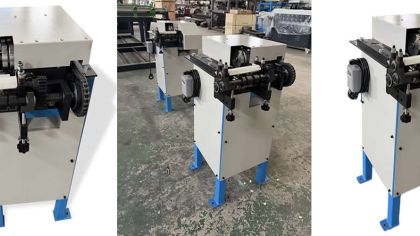
Roll Forming Machines for Modern Metal Fabrication: How Each Type Works and Where It Fits in Your Production
- What a Roll Forming Machine Actually Does
- Standing Seam Roll Forming Machine
- Applications
- How the Machine Works
- Production Benefits
- Snap Lock Roll Forming Machine (Roof Panel Roll Forming Machine)
- Applications
- How It Works
- Production Benefits
- Metal Siding Roll Forming Machine
- Applications
- What You Can Make
- How It Works
- Production Benefits
- Downspout Roll Forming Machine
- Applications
- What You Can Produce
- How It Works
- Production Benefits
- Portable Roll Forming Machine
- Applications
- How It Works
- Production Benefits
- Sheet Metal Roll Forming Machines for General Fabrication
- Typical Applications
- How They Work
- Production Benefits
- Custom Roll Forming Machine
- Who Needs a Custom Line?
- What You Can Do
- How It Works
- Production Benefits
- Panel Roll Forming Machine vs Other Metal Rollforming Systems
- How Roll Forming Machines Transform Your Production
- Choosing the Right Roll Forming Machine for Your Business
- FAQ
- ❓ What is the difference between a standing seam roll forming machine and a snap lock roll forming machine?
- ❓ Which roll forming machine should a roofing contractor choose?
- ❓ Is a portable roll forming machine worth it for onsite roofing projects?
- ❓ What machine is best for manufacturing downspouts?
- ❓ When should I choose a custom roll forming machine?
- ❓ What materials can a roll forming machine run?
- ❓ Are roll forming machines suitable for high-volume production?
When you’re investing in a new roll forming machine, you’re not just buying equipment – you’re choosing how your entire production line will work for the next 10–20 years. Stan Roll Forming Machines Inc (Stan Roll Forming Machines Inc) supplies a wide range of sheet metal roll forming machines for roofing, siding, downspouts and custom profiles, so it’s important to understand what each type of machine does, where it’s used, and how it can transform your workflow.
Below you’ll find a practical, buyer-focused guide that explains the main types of roll formers you’ll see on a site like stangroup.ca, how each one works, and which production tasks they are best suited for.
What a Roll Forming Machine Actually Does
A metal roll forming machine gradually bends coil stock into a precise profile by passing it through a series of forming stations (roll stands). Instead of pressing the shape in one hit, the material is formed step by step. This gives you:
-
High line speeds for long parts
-
Consistent dimensions from part to part
-
Excellent surface finish with minimal marking
-
Low scrap rates compared to many other methods
Whether you are producing standing seam roof panels, snap lock panels, metal siding, or downspouts, the principle is the same: coil in at one end, finished profile out at the other – cut to length and ready to install.
Standing Seam Roll Forming Machine

A standing seam roll forming machine is designed to produce high-performance roof panels with vertical ribs that can be mechanically or snap-locked together. These systems are common on:
-
Commercial and industrial buildings
-
High-end residential roofs
-
Low-slope and complex architectural roofs
Applications
Standing seam panels are chosen when the project requires:
-
Long, continuous panels with minimal transverse seams
-
Superior weather tightness
-
Expansion and contraction movement in extreme climates
-
A clean, modern architectural look
These machines are ideal for roofing contractors, metal building manufacturers, and fabricators supplying architectural metal packages.
How the Machine Works
-
Coil Loading – Metal coil (often steel or aluminum) is fed into the standing seam roll forming machine.
-
Progressive Forming – The machine gradually shapes the flat strip into a profile with ribs, hems, male/female legs and, if required, nail-strips or clip-seats.
-
Optional Embossing / Ribbing – Some models can add minor ribs or striations to reduce oil-canning.
-
Cut-to-Length – An integrated shear cuts each panel to the programmed length.
-
On-Site or In-Plant Use – Models from Stan Roll Forming Machines Inc can be mounted in a shop or taken directly to the jobsite.
Production Benefits
-
Fewer seams and longer panels reduce leak points
-
Custom lengths on demand mean far less waste
-
Faster installation compared to many traditional roofing systems
Snap Lock Roll Forming Machine (Roof Panel Roll Forming Machine)

A snap lock roll forming machine is a specific type of roof panel roll forming machine that produces panels which lock together without mechanical seaming. Instead, the male and female legs are engineered to “snap” into place.
Applications
-
Residential roofing
-
Light commercial projects
-
Contractors looking for a simpler installation process
If your crew wants standing seam performance with simpler tools and lower labour time, a snap lock roll forming machine is often the right balance.
How It Works
-
The panel roll forming machine shapes the flat coil into a snap lock profile with precision-designed legs.
-
The panels are cut to length and stacked.
-
On the roof, the installer simply engages the legs together by foot or light tapping – no power seamer required.
Production Benefits
-
Lower installer skill requirement compared to traditional double-lock systems
-
Fast installation, especially on simple roofs
-
Great choice for contractors who want to offer metal roofing without investing in additional seaming tools.
Metal Siding Roll Forming Machine
A metal siding roll forming machine is used to produce wall panels and cladding profiles. These can be traditional corrugated patterns, box-rib siding, or modern architectural panels.
Applications
-
Agricultural and industrial buildings
-
Commercial façades and storefronts
-
Residential siding and accent walls
-
Interior design elements in retail or office spaces
What You Can Make
Depending on tooling, a siding roll former can produce:
-
Corrugated panels
-
Trapezoidal / box-rib siding
-
Soffit and fascia elements
-
Vertical or horizontal siding systems
How It Works
Just like a roof panel line, the metal siding roll forming machine feeds coil through multiple forming stations and cuts the profile to length. Some lines integrate:
-
Punching units for slots or mounting holes
-
Embossing rolls for texture
-
Pre-notching for corners or window openings (in more advanced systems)
Production Benefits
-
High throughput for standard cladding profiles
-
Excellent consistency for long runs of panels
-
Ability to switch colours and gauges with minimal setup when using stocked coils
Downspout Roll Forming Machine
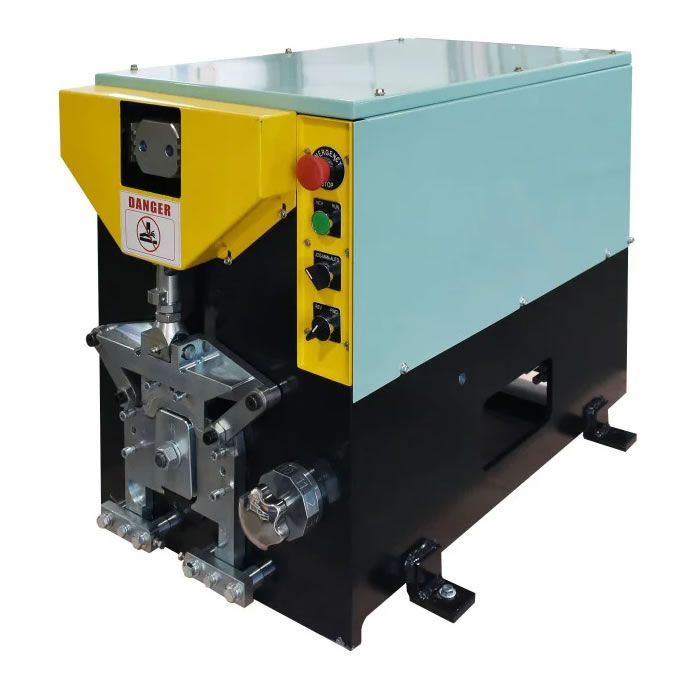
A downspout roll forming machine produces square, rectangular or round downspout tubes that match your gutter systems.
Applications
-
Residential and commercial roof drainage systems
-
Gutter and roofing shops
-
Metal fabrication businesses supplying building envelope components
What You Can Produce
-
2×3, 3×3, 3×4 rectangular downspouts
-
Round downspouts in different diameters (depending on tooling)
-
Matching accessories produced using downspout elbow machines and other forming equipment
How It Works
-
Coil Feeding – Pre-finished coil or galvanized strip is fed into the line.
-
Tube Forming – The downspout roll forming machine gradually closes the shape, forming corners and locks.
-
Lock / Seam Formation – A dedicated station creates a secure longitudinal seam.
-
Cut to Length – Integrated cutting produces precise tube lengths for each project.
Production Benefits
-
In-house production of downspouts that perfectly match your gutters
-
Better margins and lead time control compared to buying pre-made components
-
Ability to offer custom lengths for premium projects
Portable Roll Forming Machine

A portable roll forming machine is designed to go where the job is. Instead of transporting long, delicate panels, you bring the machine to the site and run the profiles on-demand.
Applications
-
Large commercial roofs where panel lengths exceed transport limits
-
Remote projects where freight is expensive or slow
-
Roofing contractors who want full control over panel supply
In many cases, portable machines from Stan Roll Forming Machines Inc are used as roof panel roll forming machines or standing seam roll forming machines directly on the jobsite.
How It Works
-
The machine is mounted on a trailer or skid frame.
-
Coil is loaded directly on the portable line.
-
Operators program the panel length and run panels as needed.
-
Panels are carried straight from the exit guides onto the roof or staging area.
Production Benefits
-
No panel length restrictions – you can roll full-length panels from eave to ridge
-
Reduced shipping damage and handling
-
Just-in-time production – you roll exactly what you need each day
Sheet Metal Roll Forming Machines for General Fabrication
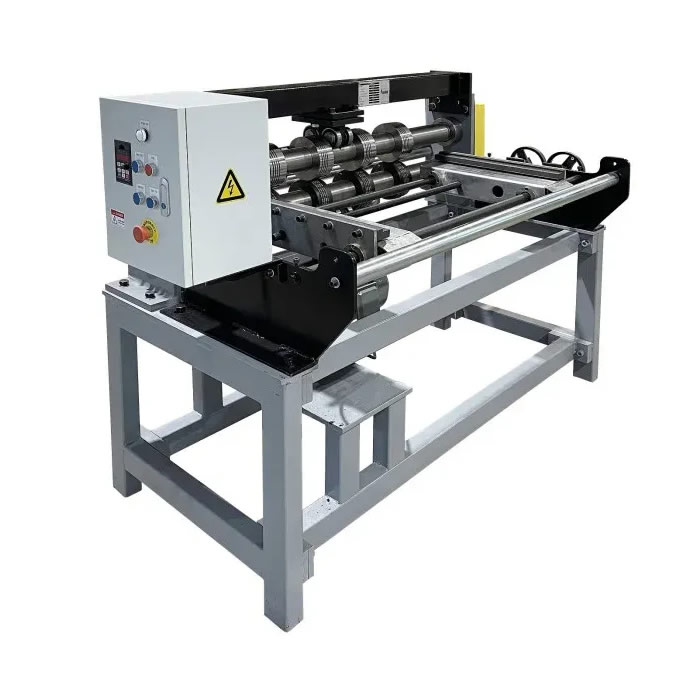
When people search for sheet metal roll forming machines or a generic metal roll forming machine, they often need versatile equipment that can be configured for multiple profiles over time – not only roofing.
Typical Applications
-
Structural profiles: purlins, channels, angles, hat sections
-
Ceiling and drywall profiles
-
Light-gauge framing components
-
Special brackets and trims
How They Work
These machines use interchangeable tooling or modular stands so you can:
-
Change coil width and thickness
-
Swap out roll sets for new profiles
-
Integrate punching, notching, or embossing stations as needed
Production Benefits
-
One metal roll forming machine can support several product lines
-
Great for manufacturers serving multiple industries
-
Ideal when you want to start with a core product and add more profiles over time
Custom Roll Forming Machine
A custom roll forming machine is engineered around your specific profile rather than a standard catalogue shape. This is where Stan Roll Forming Machines Inc really adds value: tailoring a line to your drawing, tolerances and production targets.
Who Needs a Custom Line?
-
OEMs producing proprietary metal parts
-
Manufacturers of patented architectural or industrial profiles
-
Companies replacing expensive press-brake operations with high-speed roll forming
What You Can Do
With a custom roll forming machine, you can integrate:
-
Pre-punching for holes, slots, window cut-outs
-
In-line notching and tabbing
-
Embossing or surface patterning
-
Complex multi-bend forms that are not practical on a press brake
How It Works
-
You provide part drawings, material specs and production targets.
-
Engineers design a dedicated roll tool set and line layout.
-
The finished line becomes a “one-button” solution: coil in, finished part out.
Production Benefits
-
Dramatic reduction in manual handling and secondary operations
-
Tight dimensional control for mating parts
-
Lower cost per part at moderate-to-high volumes
Panel Roll Forming Machine vs Other Metal Rollforming Systems
.jpg)
A panel roll forming machine is optimized for long, continuous profiles like roof and wall panels. By contrast, other sheet metal roll forming machines may handle shorter, structural parts.
When deciding which route to go, think about:
-
Part length – long building panels vs shorter framing members
-
Profile complexity – simple C-shapes vs interlocking architectural profiles
-
Volume – high-run standard profiles vs short runs of specialized sections
Roof and wall panel roll forming machines, including roof panel roll forming machines, are typically designed with:
-
High-speed shears
-
Easy and fast coil changeovers
-
Options for embossing, bead ribs and minor corrugations
How Roll Forming Machines Transform Your Production
No matter which type you choose – standing seam roll forming machine, snap lock roll forming machine, metal siding roll forming machine, downspout roll forming machine, or a fully custom roll forming machine – the advantages for your shop are similar:
-
Higher throughput: continuous operation means more parts per shift
-
Lower labour cost per part: fewer manual steps and less handling
-
Consistent quality: every piece follows the same controlled forming path
-
Better material utilization: optimized nesting and coil usage reduce scrap
-
Scalability: you can ramp up production without completely re-engineering your process
For contractors and manufacturers in Canada and across North America, working with a specialist like Stan Roll Forming Machines Inc means you’re not just buying a machine – you’re getting a complete solution: coil handling, roll tooling, controls, training and long-term support.
Choosing the Right Roll Forming Machine for Your Business
When you’re comparing roll forming machines, keep these questions in mind:
-
Do you mainly produce roof panels, siding, or downspouts?
-
Do you need a portable roll forming machine for on-site work, or a permanent in-plant line?
-
Will one panel roll forming machine be enough, or do you need additional sheet metal roll forming machines for trims and structural parts?
-
Are your profiles standard, or do you need a custom roll forming machine engineered specifically for your products?
If your core business is metal roofing and cladding, a combination of:
-
Standing seam roll forming machine / snap lock roll forming machine
-
Metal siding roll forming machine
-
Downspout roll forming machine
can give you a complete building envelope package. For broader industrial and OEM work, focusing on flexible metal roll forming machines and custom roll forming machines will provide the most long-term value.
Bottom line:
Roll forming is one of the most efficient ways to turn coil into high-value building components. With the right mix of roof panel roll forming machines, metal siding roll forming machines, downspout roll forming machines, and custom roll forming solutions, you can shorten lead times, improve product quality, and make your entire operation more profitable.
FAQ
❓ What is the difference between a standing seam roll forming machine and a snap lock roll forming machine?
A standing seam roll forming machine produces panels that require mechanical seaming for full weather resistance. A snap lock roll forming machine creates panels that automatically snap together without special tools. Standing seam is ideal for premium, high-performance roofs; snap lock is faster and easier for standard residential projects.
❓ Which roll forming machine should a roofing contractor choose?
Roofers typically choose a standing seam or snap lock roll forming machine, depending on required weather tightness, project size, and installation method. For full building-envelope production, add a metal siding roll former and a downspout roll forming machine.
❓ Is a portable roll forming machine worth it for onsite roofing projects?
Yes. A portable roll forming machine eliminates panel-length limits, reduces shipping costs, prevents transport damage, and allows crews to produce panels directly on-site.
❓ What machine is best for manufacturing downspouts?
A dedicated downspout roll forming machine is the best option for producing 2×3, 3×3, 3×4, and round downspouts. It provides consistent seams, accurate forming and the ability to run custom lengths.
❓ When should I choose a custom roll forming machine?
Choose a custom roll forming machine when you need proprietary shapes, patented profiles, or complex parts with in-line punching, notching or embossing. Ideal for OEMs and industrial manufacturers.
❓ What materials can a roll forming machine run?
Most roll formers can process galvanized steel, pre-painted steel, aluminum, copper and light-gauge structural metals, depending on the tooling.
❓ Are roll forming machines suitable for high-volume production?
Yes. Roll forming is one of the most efficient continuous manufacturing methods, delivering high throughput, low scrap, repeatable accuracy, and low cost per part.