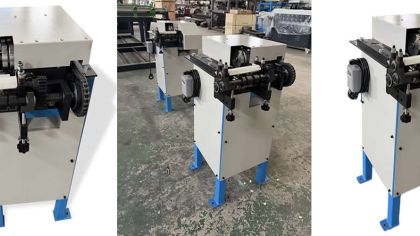
Mastering the Architecture of Metal: A Deep Dive into the Roll Forming Machine Industry
- The Core of Production: What is a Metal Roofing Machine?
- Key Machinery by Process Stage
- Dissecting the Process: How to Make Roof Sheets with Precision
- 1. Material Preparation: Coil Management
- 2. The Roll Forming Cascade
- 3. High-Speed Stamping and Cutting
- 4. The Finish: Tiling and Curving (The High-speed roof tile machine specialization)
- Unique Industry Insight: The Criticality of Spring-Back Compensation (The Information Nobody Tells You)
- Understanding the Best Types of Metal Roof Tile Materials
- Stan Roll Forming Machines: Powering the Future of Metal Fabrication
Unlock the secrets of durable construction with the definitive guide to the Roofing Sheet Making Machine. Learn how to make roof sheets using advanced Roll Forming systems and discover the distinct types of metal roofing panels and materials. Stan Roll Forming Machines is your premier supplier for every Metal Roofing Machine and High-speed roof tile machine you need to dominate the Canadian market.
The modern construction landscape places a premium on resilience, efficiency, and aesthetic versatility. At the heart of this revolution is metal roofing, a segment that has moved far beyond simple corrugated sheets. Today’s success in metal fabrication relies entirely on sophisticated, specialized equipment capable of transforming flat steel or aluminum coils into complex, high-performance profiles. This equipment is the Roll Forming system with the feed panel unit—the unsung hero of durable architecture.
The choice of machinery is not just a capital expense; it is a strategic decision that directly influences material efficiency, labor costs, and, crucially, the long-term integrity of the final product. For fabricators and contractors, understanding the nuances of the Roofing Sheet Making Machine and the underlying technology is the first step toward achieving a competitive edge.
The Core of Production: What is a Metal Roofing Machine?
.jpg)
The term Metal Roofing Machine (often referred to as a Roofing sheet roll forming machine) describes a continuous metalworking process where flat metal strip or coil is passed through successive sets of rollers. Each set, or "station," performs a small, incremental bend until the metal reaches the desired final cross-section profile.
Unlike press braking, which relies on a single sharp bend, roll forming uses gradual, cumulative shaping, which is vital for preserving the integrity of pre-painted or coated material. This precision ensures that the protective paint or zinc layer remains unbroken, maximizing the panel's resistance to corrosion—a critical factor for longevity in the harsh Canadian climate.
At Stan Roll Forming Machines, our philosophy centers on providing the industry with a Machine to Make Metal Roofing that offers superior speed, reliability, and profile flexibility.
Key Machinery by Process Stage
The production line of a modern metal roof manufacturer consists of several highly specialized components, working in seamless synchronization:
Dissecting the Process: How to Make Roof Sheets with Precision

To successfully make roof sheets that meet industry standards (like SMACNA or ASTM), fabricators must master the four primary stages of roll forming:
1. Material Preparation: Coil Management
The process begins with the raw material—the master metal coil. The coil is mounted onto the decoiler, which pays off the material. Essential to quality is the tensioning system, which ensures the strip is fed into the Roll Forming system with the feed panel unit perfectly straight and without camber (sideways bend). Any imprecision here directly translates into a warped or substandard final panel. For certain profiles or high-volume operations, an Industrial Gang Metal Slitter is used before the roll former to cut the wide coil into the precise narrower strips needed for specific panel widths, a crucial step for customized jobs.
2. The Roll Forming Cascade
Once the metal enters the Roofing sheet roll forming machine, it passes through multiple stations (typically 12 to 24 pairs of rollers). Each roller pair is meticulously engineered to slightly increase the bend angle.
-
The Flower Pattern: The entire sequence of roller profiles is known as the "flower pattern." This pattern is calculated to distribute stress evenly across the material, preventing cracking or "oil canning" (the waviness often seen in flat metal panels). High-end Metal Roofing Machines like the SS4E-PRO allow for quick cassette changes, meaning the same machine base can run multiple types of metal roofing panels just by swapping the roller tooling.
3. High-Speed Stamping and Cutting
The final product integrity relies heavily on the cutting station. Modern systems utilize a precise Hydraulic Stamping&Cutting Device integrated at the exit end of the machine.
-
Flying Shear Technology: For High-speed roof tile machine and panel lines, a "flying shear" is standard. This hydraulic cutting mechanism moves with the panel as it cuts, ensuring the production line never stops. This maximizes meters per minute (MPM) output.
-
Stamping and Notching: Before the final cut, complex profiles like Snap-Lock or Standing Seam often require precise end-notching or hole stamping for clips. The Hydraulic Stamping&Cutting Device handles this intricate work, guaranteeing panel-to-panel consistency that is impossible to achieve manually.
4. The Finish: Tiling and Curving (The High-speed roof tile machine specialization)
While most roll formers create long, continuous panels, a specialized High-speed roof tile machine or a hydraulic press system is used to create patterns like Spanish Tile or Milano Tile. These machines use a hydraulic stamping action to impress the tile pattern onto a pre-cut, flat panel or a panel coming directly from a roll former, adding depth and architectural appeal. For aesthetic purposes, some machines also include a curving unit to produce pre-curved panels for barrel roofs or architectural features.
Unique Industry Insight: The Criticality of Spring-Back Compensation (The Information Nobody Tells You)

In the competitive world of metal roofing, the most critical factor separating a premium Roofing Sheet Making Machine from a mediocre one is Spring-Back Compensation.
-
The Physics Problem: When any metal is bent, it has a natural tendency to "spring back" slightly toward its original flat shape. The amount of spring-back changes constantly, depending on the material's specific yield strength, thickness (gauge), and ambient temperature.
-
The Solution in Advanced Machinery: A basic Machine to Make Metal Roofing cannot account for this fluctuation, resulting in inconsistent panel profiles (e.g., one seam slightly wider or shorter than the next). Premium Roll Forming systems feature advanced, automated calibration systems often managed by a PLC. These systems monitor the output profile and automatically adjust the pressure or gap of the final few forming stations to over-bend the metal just enough to compensate for the expected spring-back.
-
The Business Impact: Mastery of Spring-Back Compensation ensures perfect interlocking seams every time, which is essential for waterproofing and structural integrity. A Stan Roll Forming machine, engineered to control spring-back, guarantees that the types of metal roofing panels you produce (be it Double-Lock Mechanical Seam or Slotted Flange Snap Lock) will lock perfectly on the roof, eliminating callbacks and liability issues for contractors.
Understanding the Best Types of Metal Roof Tile Materials
The lifespan and appearance of the final product are determined by the base material used in the Roofing Sheet Making Machine.
-
Galvanized Steel (G90/G60): The most common choice. It offers an excellent strength-to-weight ratio and a zinc coating for corrosion resistance.
-
Galvalume Steel (AZ50/AZ55): A superior coating combining zinc and aluminum, offering enhanced protection, making it the best type of metal roof tile material for harsh coastal or high-precipitation regions.
-
Aluminum: Lightweight, virtually rust-proof, and highly versatile. It requires machines with exceptionally smooth rollers (often hard-chrome coated) to prevent scratching its softer surface.
By providing machinery capable of processing these various materials with zero defects, Stan Roll Forming Machines ensures our clients can meet any project specification.
Stan Roll Forming Machines: Powering the Future of Metal Fabrication
Choosing the right Metal Roofing Machine is the single greatest investment a fabricator can make in their future. At Stan Roll Forming Machines, we supply the most reliable, precise, and efficient equipment in the industry, from the highly portable SS4E JUNIOR (ideal for on-site contract work) to the robust, factory-level Standing Seam Roof Panel Rollforming Machine SS4E-15 and the versatile Roll Forming Machine SS4E PRO.
We don't just sell a Roofing Sheet Making Machine; we provide a partnership in precision engineering, ensuring every sheet, tile, and panel produced on our Roll Forming system meets the highest standards of durability and excellence.
buy metal roofing machine Canada, SS4E PRO roll forming machine, portable roofing sheet machine price, standing seam roll former setup, on-site metal panel production, custom metal profile forming, heavy-duty roll forming machine, metal roof tile machine, standing seam machine, snap lock panel former, board and batten siding machine, architectural metal panel machinery