Ultimate Guide to Embossing Machines for Metal and Wood Introduction
- 1. What Is an Embossing Machine?
- 2. Types of Embossing Machines
- a) Embossing Machine for Metal
- b) Embossing Machine for Wood
- c) Embossing Press Machines
- 3. Free Standing Wood Grain Embossing Machines
- 4. Free Standing Embossing Machines for Sheet Metal
- 5. How to Use a Wood Embossing Machine
- Step-by-Step Process:
- 6. Key Technical Characteristics of Embossing Machines
- 7. Applications of Embossing Technology
- Conclusion
Embossing machines are essential equipment in modern manufacturing, construction, and architectural industries. They allow manufacturers to create decorative, textured, or functional patterns on flat materials such as metal and wood. These machines are widely used to improve the visual appeal, rigidity, and uniqueness of finished products. This article provides a detailed overview of embossing machines for metal and wood, explains their types, applications, technical features, and outlines how to properly use a wood embossing machine.
1. What Is an Embossing Machine?
An embossing machine is a mechanical or hydraulic device designed to create raised or recessed patterns on the surface of a material. The process involves passing material between engraved rollers or pressing it with a patterned die. Embossing is commonly used for both decorative and functional purposes.
Typical applications include:
-
Architectural metal panels
-
Decorative metal cladding
-
Wood grain imitation on metal sheets
-
Textured sheet metal
-
Decorative and structural wood panels
2. Types of Embossing Machines

a) Embossing Machine for Metal
Metal embossing machines are heavy-duty systems used to process sheet metal and metal coils. They are designed to handle materials such as steel, aluminum, copper, and galvanized sheet metal.
Key features include:
-
Adjustable embossing pressure
-
Variable speed control
-
Compatibility with different metal gauges
-
Replaceable rollers with custom patterns
-
Robust steel frame for continuous operation
Metal embossing machines are widely used in roofing, siding, facade panels, and decorative architectural elements.
b) Embossing Machine for Wood
Wood embossing machines apply textures such as wood grain, grooves, or decorative relief patterns onto solid wood or engineered wood products. These machines are commonly used in furniture manufacturing, interior design, flooring production, and wall panel fabrication.
Advantages of wood embossing machines:
-
Consistent surface texture
-
High repeatability
-
Reduced manual labor
-
Ability to create custom patterns
They can be configured as roller-type machines or press-type systems depending on the required depth and detail.
c) Embossing Press Machines
Embossing press machines use hydraulic or mechanical force to press dies into wood or metal surfaces. These machines are suitable for applications requiring deep, precise, and highly detailed patterns.
Main characteristics:
-
High embossing force
-
Accurate pattern reproduction
-
Short cycle times
-
Suitable for thick or rigid materials
Embossing presses are often used in industrial production environments where precision and durability are critical.
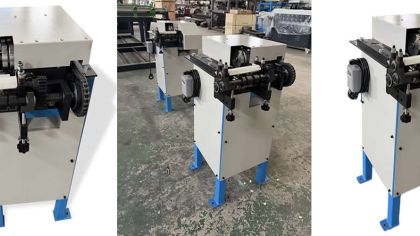
3. Free Standing Wood Grain Embossing Machines

Free standing wood grain embossing machines are independent units that do not require integration into a full production line. They are ideal for small to medium-sized workshops and custom manufacturing facilities.
Key advantages:
-
Stand-alone operation
-
Compact footprint
-
Flexible placement in production areas
-
Suitable for metal, wood, plastic, and composite materials
These machines are commonly used to apply wood grain patterns to flat metal sheets for decorative architectural applications.
4. Free Standing Embossing Machines for Sheet Metal
Free standing embossing machines for sheet metal provide flexibility and efficiency for manufacturers that need textured metal without complex production lines. They are designed to process flat sheets and produce consistent patterns.
Typical applications include:
-
Decorative facade panels
-
Exterior and interior cladding
-
Custom metal furniture components
-
Signage and branding elements
Their mobility and ease of operation make them suitable for both custom projects and medium-volume production.
5. How to Use a Wood Embossing Machine
Using a wood embossing machine correctly ensures consistent results and long equipment life.
Step-by-Step Process:
-
Material Preparation
Ensure the wood surface is clean, flat, and free from defects. -
Machine Setup
Adjust guides and rollers to match material width and thickness. -
Parameter Adjustment
Set embossing pressure and feed speed according to wood density. -
Test Run
Always perform a test on scrap material before production. -
Production Run
Feed the wood steadily through the machine for uniform texture. -
Quality Control
Inspect the embossed surface and fine-tune settings if needed. -
Finishing
Apply sanding, coating, or staining if required.
Following safety guidelines and proper training is essential for safe operation.
6. Key Technical Characteristics of Embossing Machines
When selecting an embossing machine, the following technical parameters should be considered:
| Parameter | Description |
|---|---|
| Embossing Width | Maximum material width the machine can handle |
| Material Thickness | Maximum and minimum supported thickness |
| Roller Diameter | Affects depth and clarity of patterns |
| Speed Control | Ensures consistent surface quality |
| Pattern Options | Availability of interchangeable tooling |
| Power Supply | Electrical requirements for installation |
Reliable embossing equipment should offer stability, precision, and long-term durability.
7. Applications of Embossing Technology
Embossing machines are widely used across multiple industries, including:
-
Construction and architecture
-
Roofing and siding manufacturing
-
HVAC and ventilation components
-
Furniture and interior design
-
Decorative metal and wood fabrication
Embossed surfaces enhance both visual appeal and structural performance, making them valuable in modern design and engineering.
Conclusion
Embossing machines for metal and wood are powerful tools that allow manufacturers to create high-quality textured surfaces with precision and consistency. From free standing units to industrial embossing presses, these machines offer flexibility for a wide range of applications. Proper machine selection, correct setup, and skilled operation are key factors in achieving optimal results and long-term productivity.
sheet metal pattern forming, decorative surface texturing, industrial roll embossing, hydraulic embossing press, architectural metal panels, wood surface relief processing, free standing embossing unit, manufacturing texture equipment